When comparing vape oil products available at licensed cannabis dispensaries versus those sold at mall kiosks or retail shops, the differences are significant. From regulation and safety testing to labeling and transparency, consumers should understand what separates these products before making a purchase.
Licensed dispensaries operate under strict state regulations. They are required to source their cannabis products from approved growers and processors, ensuring each product is tested for safety and quality before reaching the shelf. Every batch must undergo lab testing for potency and contaminants such as pesticides, heavy metals, residual solvents, and microbial impurities. This process provides an added layer of protection for consumers who want to know exactly what they are inhaling.
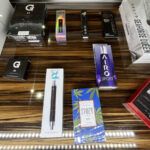
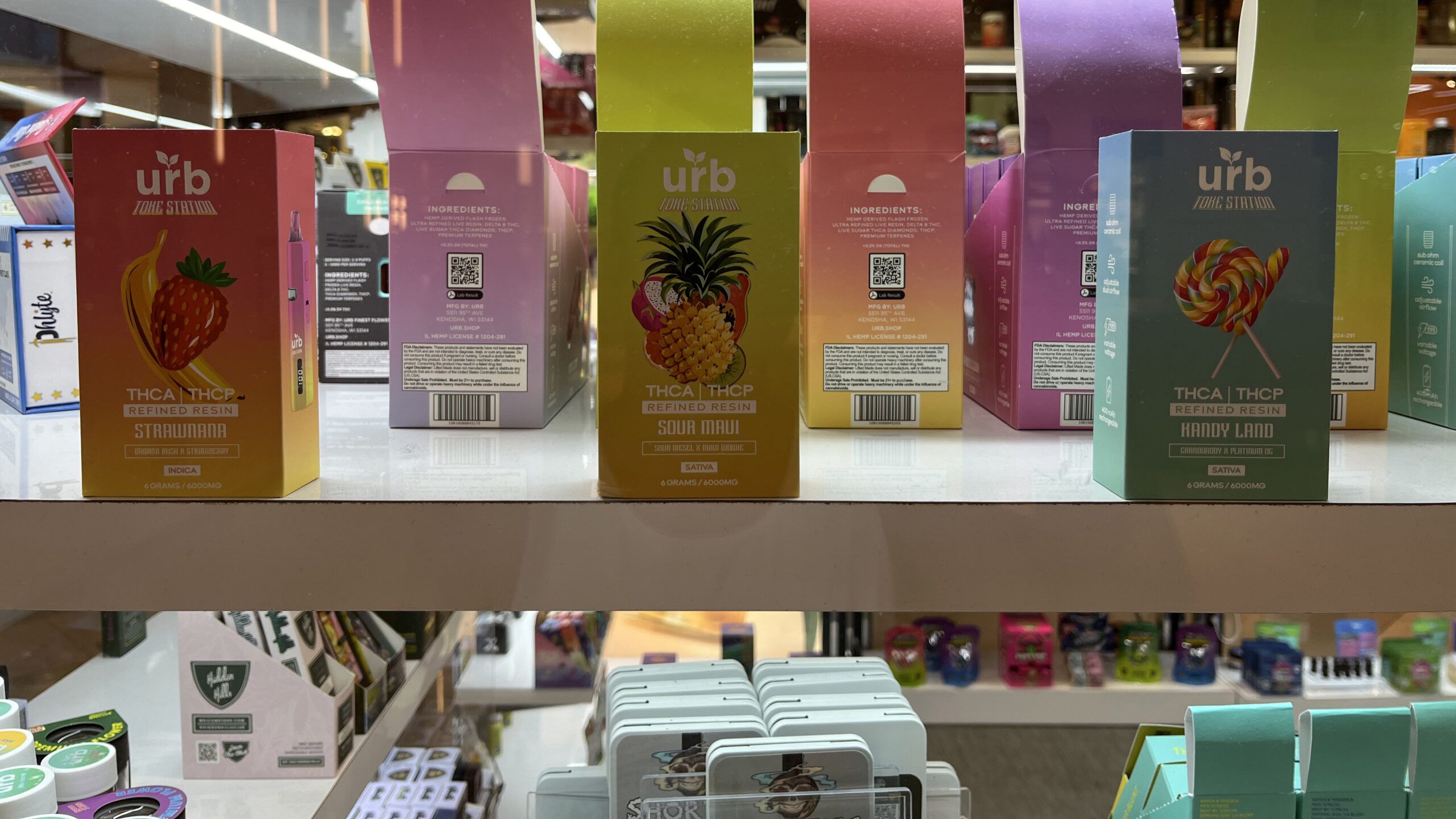
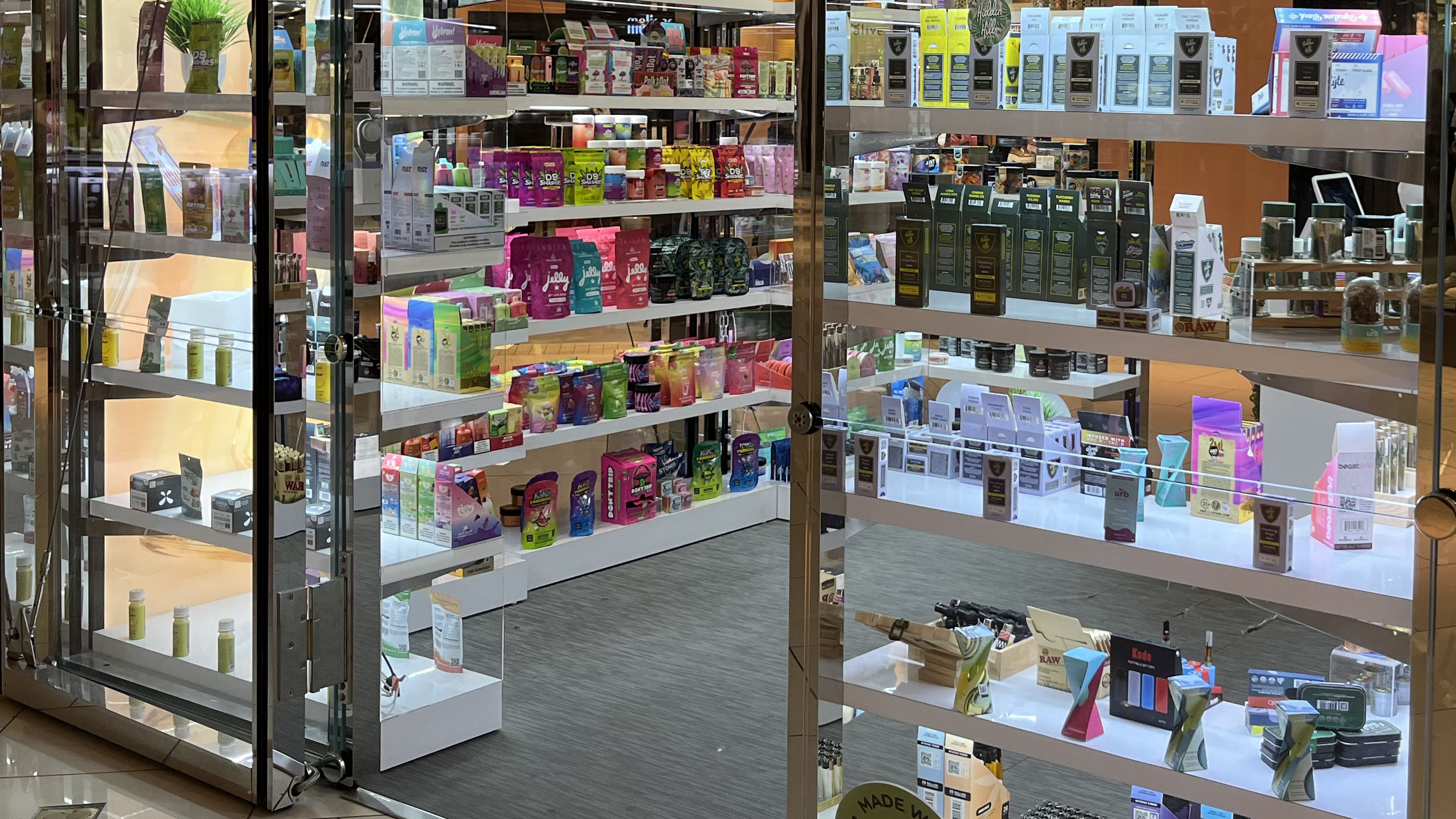
In contrast, vape oils found in mall kiosks or general retail stores often fall outside the same regulatory framework. Many of these products are hemp-derived or labeled as CBD oils, meaning they are not subject to the same state-level cannabis testing requirements. Without mandatory oversight, the accuracy of labeling, cannabinoid content, and purity can vary widely. Some products have even been found to contain synthetic cannabinoids or undisclosed additives that pose potential health risks.
The 2019–2020 vaping-related lung illness outbreak highlighted these dangers, as many cases were traced to unregulated vape cartridges containing harmful substances such as vitamin E acetate—an additive not permitted in tested, licensed products. This event served as a wake-up call for consumers and regulators alike, emphasizing the importance of purchasing vape oils through trusted and compliant sources.
Dispensary-sold vape oils also stand apart in packaging and transparency. Legal cannabis products must be sealed in child-resistant, tamper-evident containers with clear labeling that includes potency information, ingredient lists, extraction methods, and batch-specific lab test results. This level of detail allows consumers to make informed decisions and verify product authenticity. Conversely, retail kiosk products may come in unmarked or generic packaging with limited information and no verifiable testing documentation.
Another key difference lies in the buying experience. Dispensaries employ trained staff—often referred to as budtenders—who can provide knowledgeable guidance about product selection, dosage, and strain profiles. Retail or kiosk clerks typically lack specialized training in cannabis and may not be able to advise consumers on safety or suitability for specific needs.
While mall kiosk vape oils may appear more affordable and convenient, that lower price often comes at the expense of quality assurance and regulation. Dispensary products, although sometimes priced higher, offer peace of mind through verified safety, consistency, and compliance.
For consumers prioritizing health, safety, and accurate dosing, purchasing vape oils from licensed dispensaries remains the most reliable option. Those choosing retail or kiosk products should exercise caution—verifying lab results, checking for reputable brands, and avoiding products with unclear labeling or unknown origins. In the fast-growing vape oil market, understanding these distinctions is essential to making safer, more informed choices.