
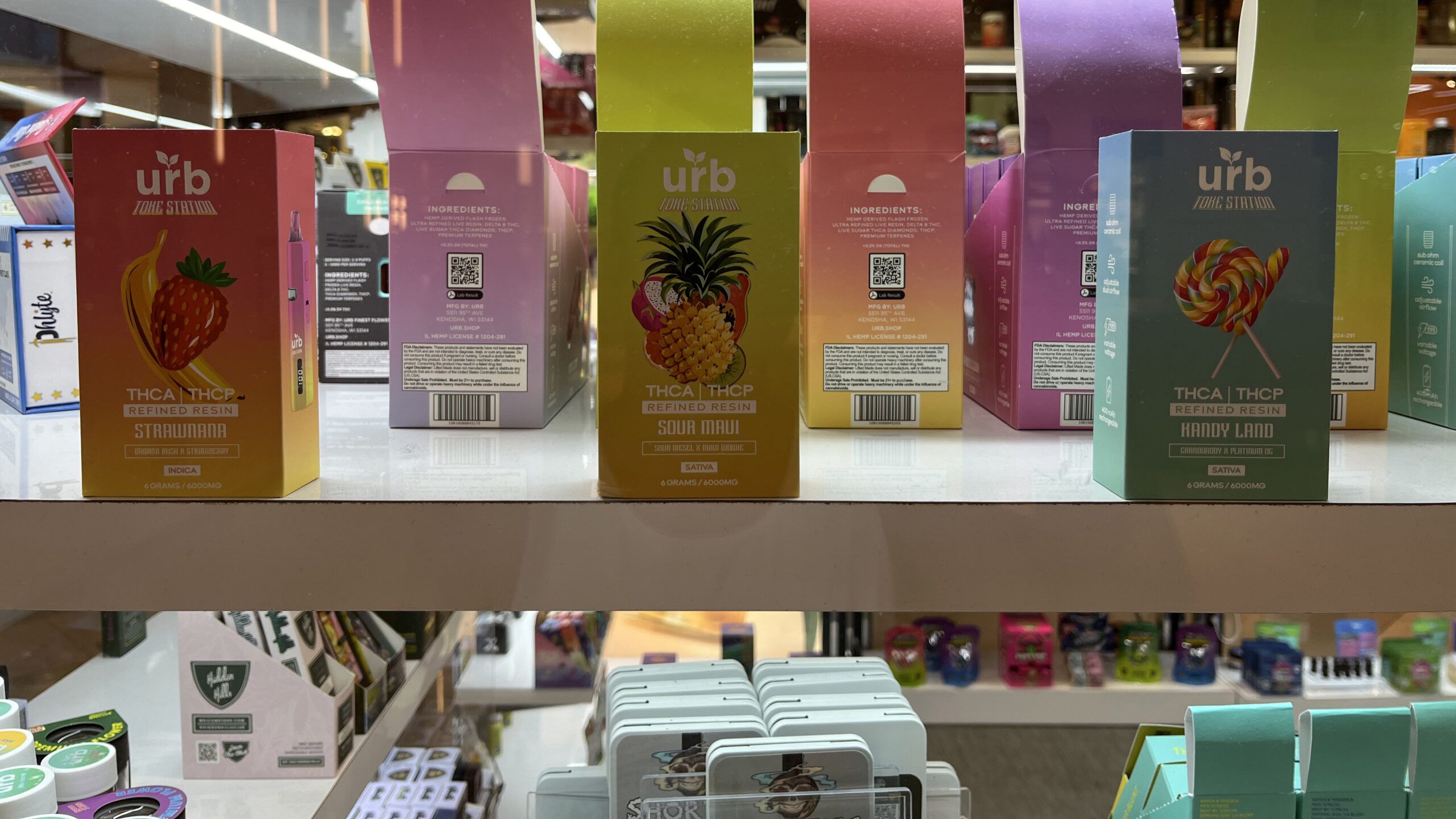
As the cannabis industry continues to expand, vape oils remain one of the most popular consumption methods, offering discretion, convenience, and fast-acting effects. However, as demand has surged, so too have questions surrounding their safety. While reputable manufacturers follow strict testing protocols, not all products on the market are created equal — and understanding what separates safe vape oils from risky ones is vital for consumers.
What Makes a Vape Oil Unsafe?
The biggest safety concerns often stem from additives, contaminants, and unregulated production. In the 2019 vaping illness outbreak, known as EVALI (E-cigarette or Vaping Product Use-Associated Lung Injury), health authorities traced thousands of cases to vitamin E acetate — a thickening agent used in illicit THC vape cartridges. This compound, when inhaled, can coat the lungs with an oily residue, leading to severe respiratory issues. The Centers for Disease Control and Prevention (CDC) identified vitamin E acetate as a primary culprit, underscoring the risks of untested vape products.
Another danger lies in residual solvents and heavy metals. During extraction, some manufacturers use butane or propane to separate cannabinoids from the plant material. When improperly purged, these solvents can remain in the oil, posing toxic inhalation risks. Additionally, poorly made cartridges may leach metals like lead or nickel when heated, further endangering users.
Testing and Transparency Matter
In regulated cannabis markets, products must undergo laboratory testing to ensure they are free of harmful chemicals, pesticides, and heavy metals. Reputable vape brands also disclose their lab results through Certificates of Analysis (COAs), allowing consumers to verify product safety. These COAs should list cannabinoid potency, terpene content, and the absence of contaminants.
Transparency and third-party testing are key indicators of quality. Consumers should avoid products lacking batch numbers or QR codes linking to lab data. In contrast, established dispensaries and licensed producers typically adhere to strict manufacturing standards, including the use of food-grade carrier oils such as medium-chain triglyceride (MCT) oil, vegetable glycerin, or cannabis-derived terpenes.
The Role of Regulation and Consumer Awareness
While federal cannabis legalization remains unresolved in the United States, state-level oversight continues to improve. Regulated states like California, Colorado, and Nevada enforce rigorous testing and packaging laws, reducing the prevalence of unsafe products. Still, the illicit market persists — and often at lower prices — attracting uninformed consumers seeking cheaper options. Unfortunately, these unregulated cartridges are the ones most likely to contain dangerous additives or unverified ingredients.
Ultimately, consumer education remains the strongest defense. Experts recommend purchasing only from licensed retailers, verifying lab results, and avoiding products with unfamiliar additives or suspiciously low prices.
The Bottom Line
Cannabis vape oils can be safe when produced responsibly, tested properly, and sold through regulated channels. However, not all products meet these standards. As research and regulation evolve, consumers must remain cautious, prioritizing transparency and verified safety over convenience or cost.
Learn More: The Patchwork Problem: Understanding U.S. Vape Oil Regulations