
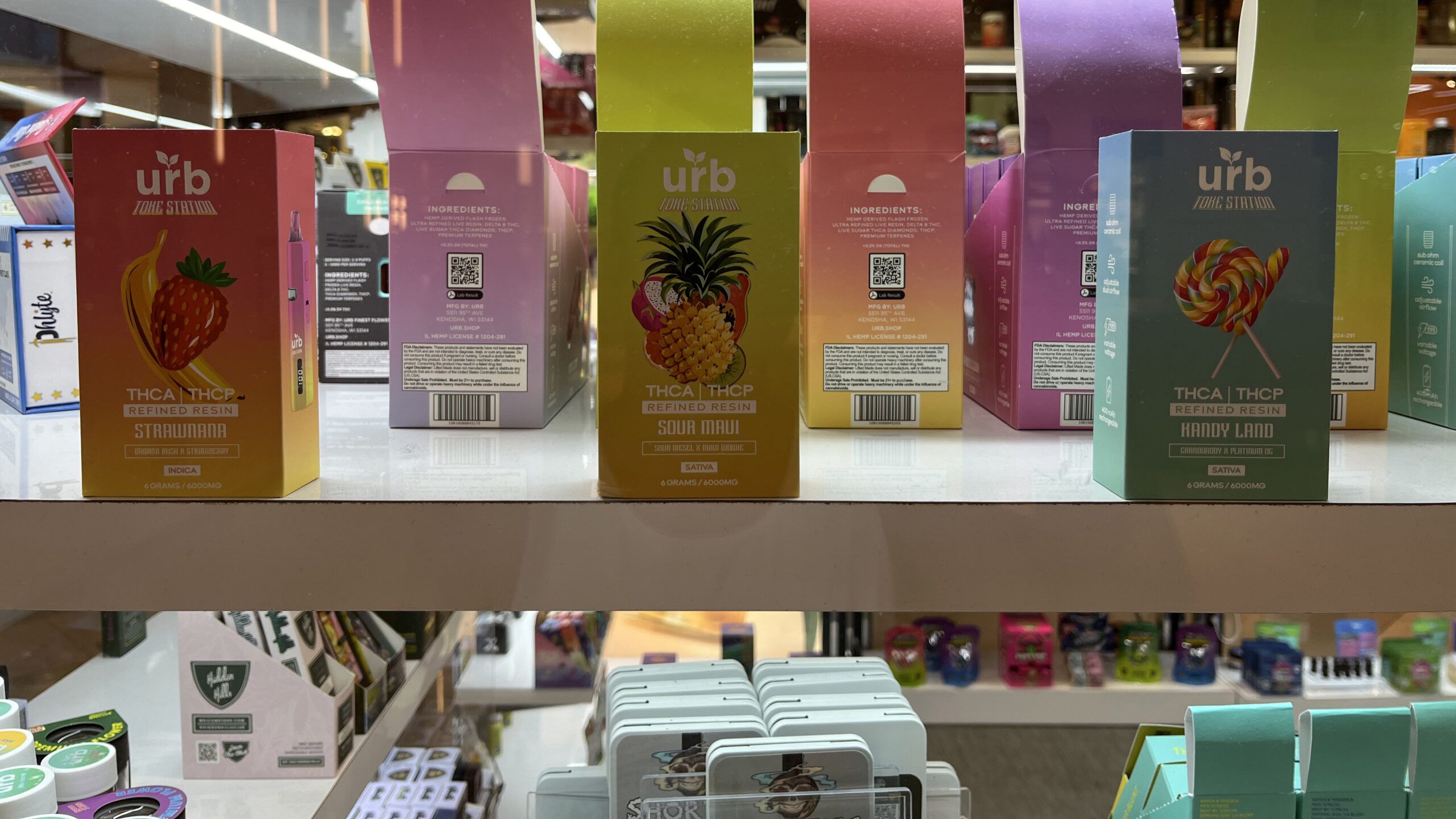
Consumers are presented with more ways than ever to experience cannabinoids. Among the most popular are vape oils, which have gained traction for their convenience, potency, and discretion. Yet, how vape oil affects the body compared to traditional smoking or edible consumption differs significantly in both speed, intensity, and duration.
Rapid Onset and Potency
When cannabis is vaporized, the body absorbs cannabinoids such as THC and CBD through the lungs. This method allows the compounds to enter the bloodstream almost immediately, typically within seconds to a few minutes. The result is a fast-acting high that closely mirrors smoking cannabis flower—but with a cleaner delivery method that avoids combustion and excess tar. Vape oils often contain concentrated levels of cannabinoids, meaning that even a small amount can produce strong effects.
In contrast, smoking cannabis flower also delivers cannabinoids through the lungs but introduces more plant matter and byproducts of combustion, such as carbon monoxide and carcinogens. While the onset is similarly fast, the overall potency can be less consistent due to strain variability and incomplete burning. Vape oils provide a more measured experience, especially when manufactured under proper lab conditions with clear labeling of cannabinoid ratios and terpene content.
Differences in Body Response
Vape oils can produce a more cerebral, quick-hitting high due to the direct absorption of concentrated cannabinoids. Because the vaporized oil bypasses digestion, users often feel an immediate wave of euphoria or relaxation that may last one to three hours. However, the intensity may taper off faster than edibles, which metabolize differently.
Edibles, on the other hand, are processed by the liver, where THC is converted into 11-hydroxy-THC—a compound that can be up to five times more potent and longer-lasting. The effects of edibles may take anywhere from 30 minutes to two hours to appear, depending on metabolism, food intake, and dosage. The result is a slower, body-heavy experience that can last six hours or longer.
Impact on Health and Safety
While vaping avoids combustion, it isn’t without risk. The safety of vape oils largely depends on their formulation and manufacturing standards. Poor-quality vape cartridges may contain additives such as vitamin E acetate or residual solvents, which can harm the lungs. Reputable brands undergo third-party lab testing to ensure purity, potency, and the absence of contaminants.
Smoking cannabis flower exposes the lungs to tar and smoke, potentially irritating airways over time. Edibles bypass the lungs entirely, making them ideal for users with respiratory conditions, but dosing can be tricky. Overconsumption is a common issue since effects take longer to manifest.
In Review
Each consumption method affects the body differently, and personal preference often determines the best fit. Vape oils offer speed and convenience, flower provides a familiar ritual, and edibles deliver a prolonged, full-body experience. For health-conscious consumers, quality assurance and mindful dosing remain the most important factors—no matter the method of choice.