
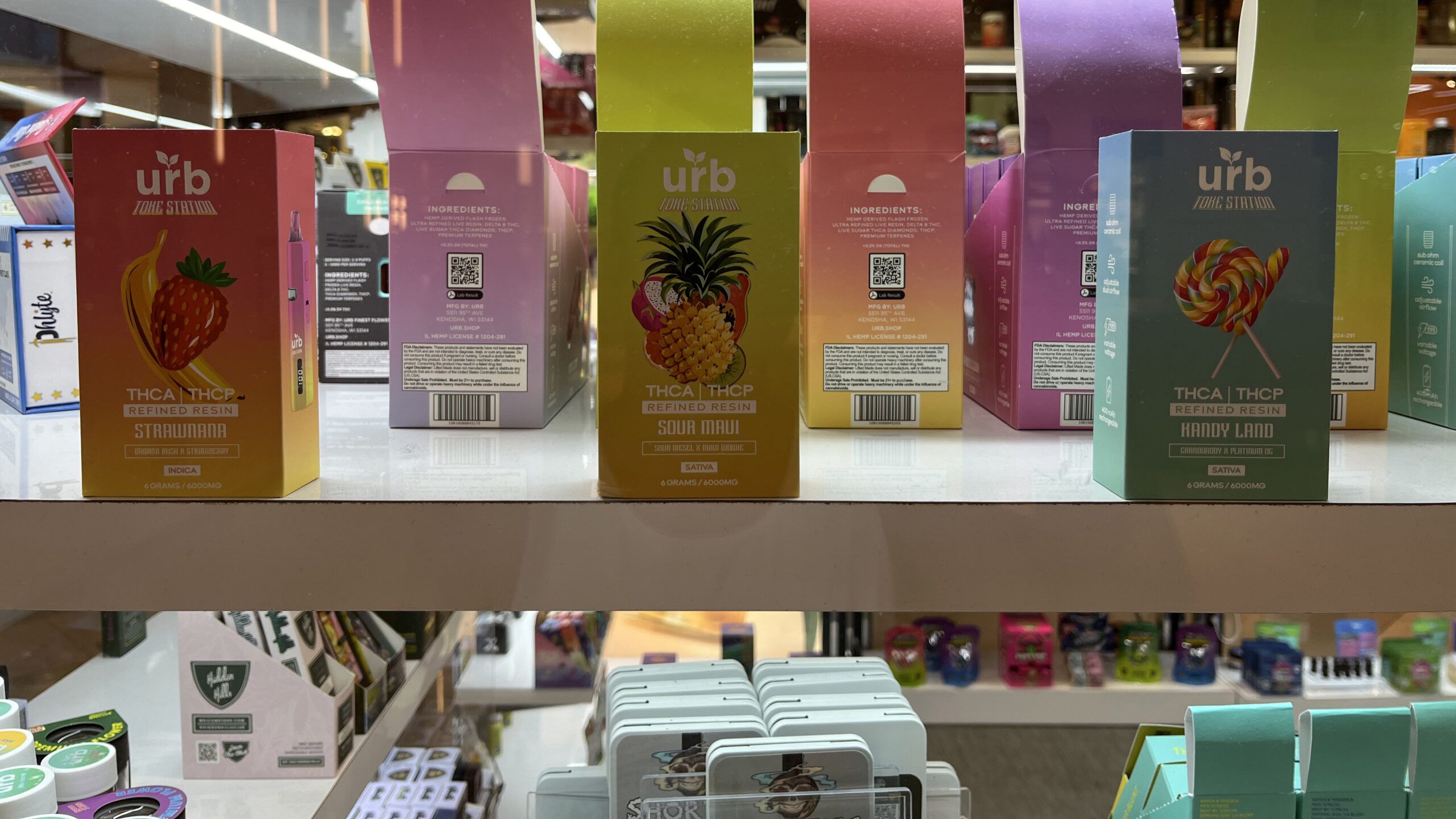
THC (short for tetrahydrocannabinol) and CBD (short for cannabidiol) are two of the main active compounds found in cannabis. While they come from the same plant, they affect the body and mind in very different ways. THC is the compound responsible for the classic “high” feeling—it can cause euphoria, laughter, and relaxation but also temporary changes in coordination and memory. CBD, on the other hand, doesn’t make users feel high. Instead, many people use it for its calming, anti-inflammatory, or pain-relieving effects without the intoxication.
At first glance, THC and CBD vape oils might look the same. Both are typically mixed with carrier oils like propylene glycol, vegetable glycerin, or MCT oil to create a smooth vapor. Some include natural terpenes for added flavor or aroma. But what’s inside the cartridge truly matters. The 2019 vaping-related lung illness outbreak (often called EVALI) taught consumers a valuable lesson: additives can be dangerous. Products that contained vitamin E acetate were linked to serious lung injuries, especially in unregulated THC vapes. That’s why experts recommend only buying vape products from licensed retailers that clearly list ingredients and provide lab testing results.
Both THC and CBD vapes work quickly. Because inhaling vapor allows cannabinoids to enter the bloodstream almost instantly, users often feel effects within minutes. This fast onset makes vaping a preferred method for people seeking quick relief from stress, pain, or anxiety. Still, vaping isn’t risk-free. Researchers continue to study the long-term effects of inhaling cannabis oils, so moderation and product quality are key to safer use.
Another important difference lies in how the body processes each compound. CBD can interact with certain medications because it influences liver enzymes that break down drugs. This means it might increase or decrease how some prescriptions work, such as blood thinners or anti-seizure medications. Anyone taking regular medication should talk with their doctor before trying CBD or THC vape products.
Legal status also separates the two. The 2018 Farm Bill made hemp-derived CBD legal on a federal level, as long as it contains less than 0.3% THC. However, THC remains federally illegal, though many states now allow medical or recreational use. Regulations differ widely across the country, so it’s important to check local laws before buying or traveling with vape oils.
In the end, the biggest difference comes down to experience and intent. THC vape oils provide a high and may help with stronger symptom relief, while CBD vape oils deliver a more subtle, clear-headed sense of calm. Both can be part of a wellness routine when used responsibly. Shoppers should always look for products that are lab-tested, clearly labeled, and free from harmful additives.
Whether someone prefers the euphoric effects of THC or the gentle balance of CBD, understanding these differences helps consumers make safer, smarter choices for their health and lifestyle.