
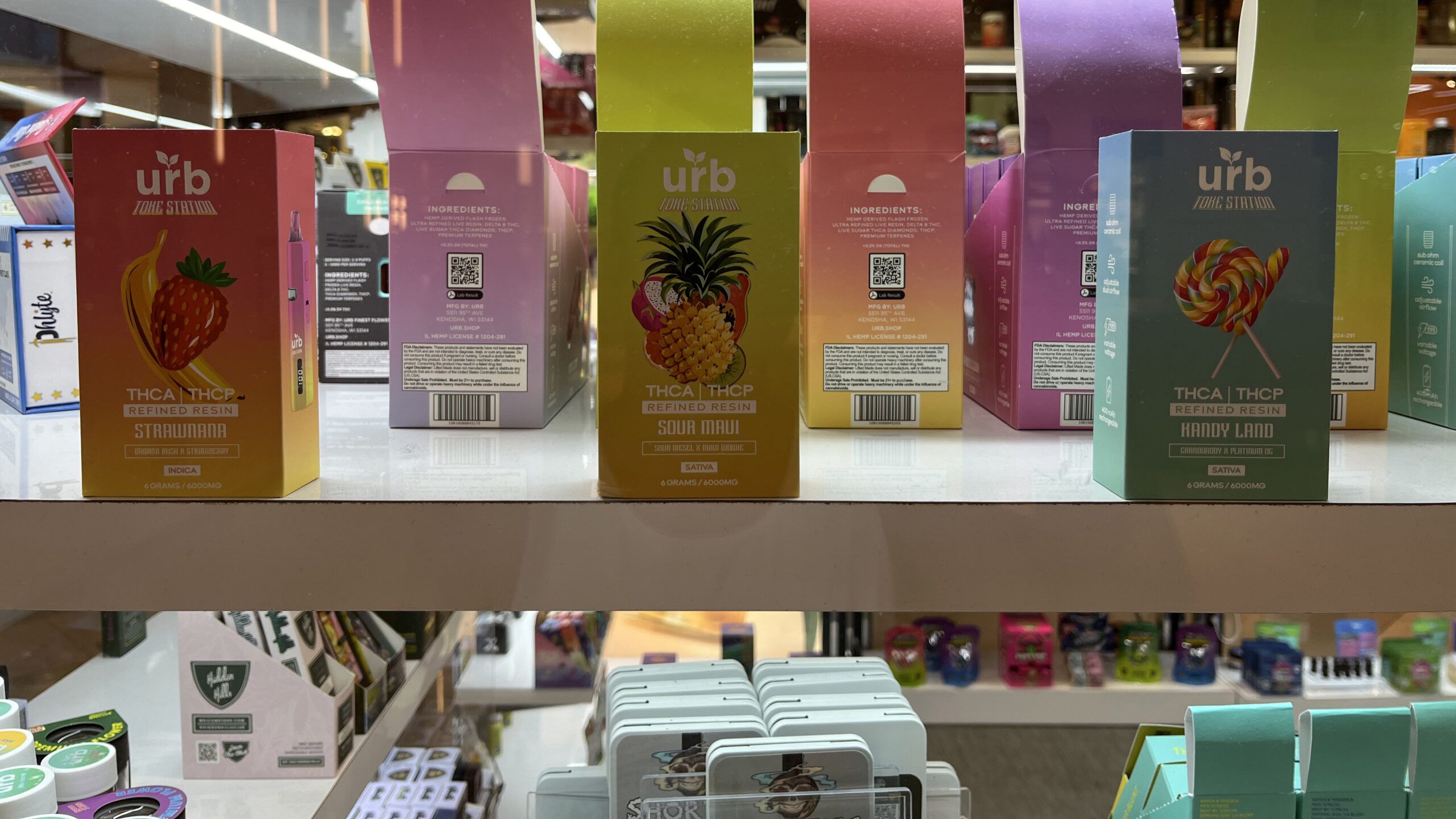
Understanding the potency of cannabis vape oil can make or break a consumer’s experience. For newcomers and seasoned users alike, the ability to read labels and interpret dosage information ensures both safety and satisfaction. With so many products on the market, it’s crucial to know what the numbers mean—and how they affect the body.
THC, CBD, and Cannabinoid Ratios
The first step in reading a cannabis vape oil label is identifying the cannabinoid content. The two most common active compounds are THC (tetrahydrocannabinol) and CBD (cannabidiol). THC is the psychoactive compound responsible for the “high,” while CBD provides more therapeutic, non-intoxicating effects such as relaxation and anti-inflammation.
Most vape oils display potency as a percentage (e.g., 85% THC) or as milligrams per cartridge (e.g., 850 mg THC in a 1-gram cart). A high THC percentage indicates a more potent product, but this doesn’t always mean it will feel stronger—factors like terpene profiles, cannabinoid balance, and user tolerance also play a role.
According to information from Leafly and Project CBD, balanced vape oils—those containing both THC and CBD—can offer smoother, more controlled effects and reduce the risk of overconsumption for beginners.
Understanding Dosage and Serving Size
Unlike edibles, vape oils provide almost immediate effects, making it easier to control dosage through small inhalations. Most manufacturers recommend starting with one or two small puffs, waiting several minutes, and gauging the body’s response before continuing.
Each puff typically delivers between 2–5 mg of THC, depending on the device’s power and oil concentration. Consumers should note that distillate vapes are often stronger than live resin or full-spectrum options, which contain additional cannabinoids and terpenes that may moderate THC’s effects.
Experts from the Centers for Disease Control and Prevention (CDC) and Health Canada both emphasize the importance of “start low and go slow” when using any cannabis product, particularly for new users or those sensitive to THC.
Interpreting Lab Results and QR Codes
Trusted vape oil brands include lab testing results on packaging or through scannable QR codes. These reports verify cannabinoid content, terpene percentages, and contaminant screenings for pesticides, solvents, or heavy metals.
If a product doesn’t include this information, it’s best to avoid it. Certified third-party testing not only ensures safety but also confirms that the potency listed matches the actual contents. Consumers should prioritize products labeled with COAs (Certificates of Analysis) for transparency and trustworthiness.
Final Takeaway
Reading cannabis vape oil labels is about more than numbers—it’s about understanding what those numbers mean for your body and tolerance. Knowing the difference between 70% and 90% THC, recognizing balanced formulas, and checking for third-party lab tests can empower consumers to make informed choices.
By treating potency education as part of responsible consumption, users can enjoy a more predictable, enjoyable, and safe vaping experience.