
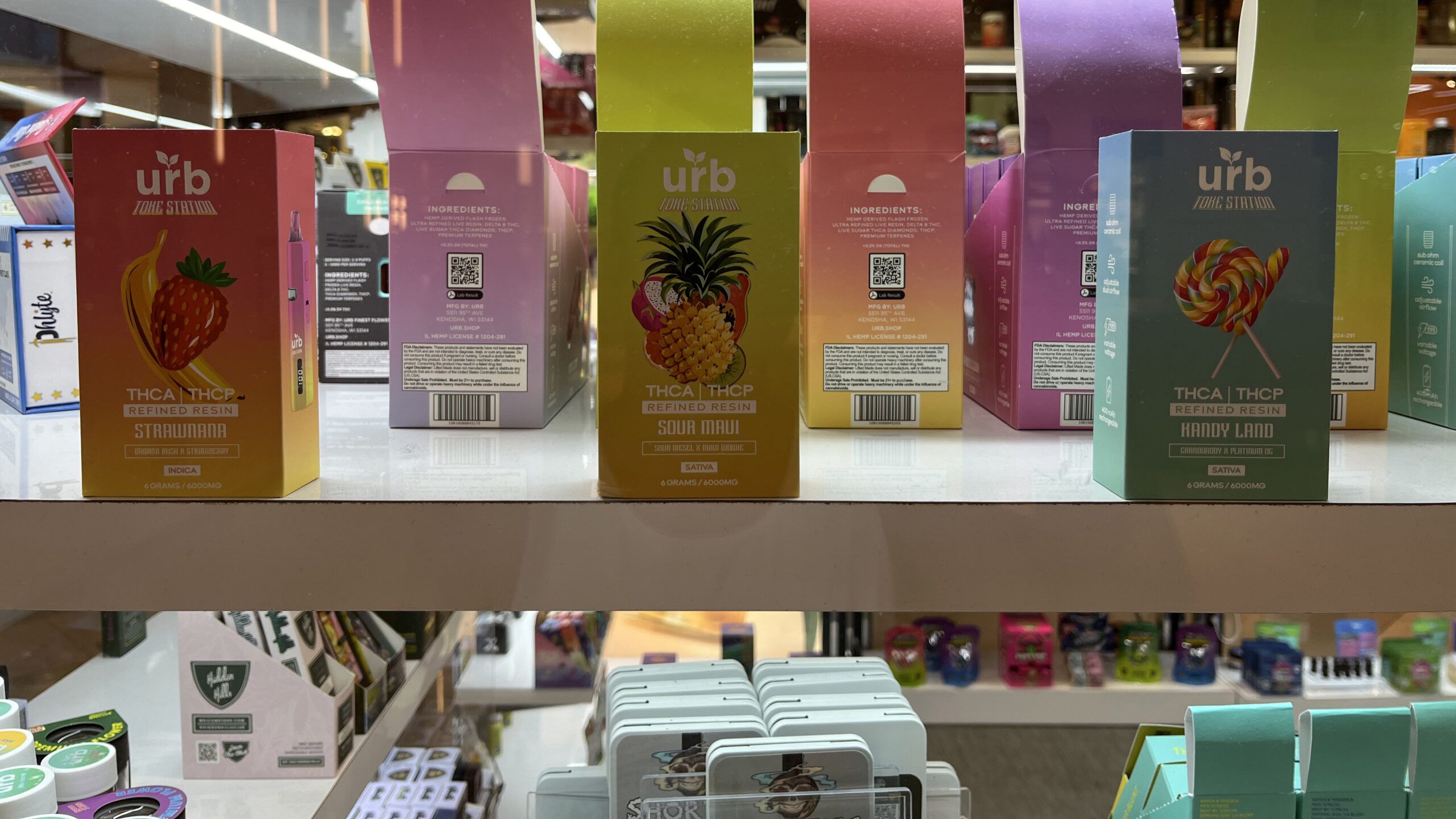
The U.S. vape oil market is a complex mix of federal oversight, state-level laws, and evolving product standards. Understanding this landscape is crucial for consumers seeking both safety and compliance when purchasing vape oils.
At the federal level, the foundation begins with hemp. The 2018 Farm Bill legally separated hemp from marijuana under the Controlled Substances Act, defining hemp as cannabis with no more than 0.3% delta-9 THC by dry weight. This opened the door for hemp-derived vape oils, even those containing psychoactive cannabinoids like delta-8 THC. However, the law did not authorize cannabinoids for use in foods, supplements, or inhalable products—those categories remain under FDA oversight.
For nicotine-based vapes, the FDA’s Center for Tobacco Products enforces strict regulations through its premarket tobacco product application process. All nicotine vapes sold in the U.S. must have a marketing order. Products without authorization, especially flavored varieties, are considered unauthorized and subject to enforcement. Consumers should be cautious of any vape oils marketed without clear FDA approval.
Shipping laws have also shifted dramatically. The Prevent All Cigarette Trafficking (PACT) Act now extends to electronic nicotine delivery systems, effectively banning most mail shipments through the USPS. As a result, legal vape sales often occur through age-verified, in-person purchases or private carriers that comply with federal tracking and reporting requirements. If a company claims to ship vapes through USPS, that’s a strong indicator of noncompliance.
THC-containing vape oils fall under the authority of state cannabis programs. Most U.S. states have legalized medical cannabis, and nearly half permit adult-use recreational sales. Each state has its own testing, labeling, packaging, and tracking systems. What’s considered compliant in one state may be illegal in another, so consumers should verify the laws before purchasing or traveling with THC vape oils.
The most confusing category remains hemp-derived intoxicants such as delta-8 and delta-10 THC. The FDA has warned about unapproved and mislabeled products, and states have adopted inconsistent rules—some banning them entirely, others setting potency limits and age restrictions. Buyers should always review the latest state regulations before purchasing or carrying hemp-derived vape oils.
Safety remains a top concern. The 2019–2020 vaping-related lung injury outbreak, linked to vitamin E acetate in illicit THC vapes, prompted regulators to strengthen testing and ban harmful additives. Consumers are now advised to buy only from licensed retailers and to demand batch-specific Certificates of Analysis (COAs) verifying cannabinoid potency, absence of contaminants, and lack of unsafe additives.
Buyer Checklist
- Verify legality in your state or travel destination.
- For nicotine vapes, confirm the product has FDA authorization.
- Avoid USPS shipping promises—these likely violate federal law.
- Always request a COA showing full cannabinoid and safety testing.
- Avoid informal or unlicensed sellers entirely.
Ultimately, vape oil regulations in the U.S. form a patchwork of state and federal laws. While federal agencies focus on nicotine and deceptive marketing, states oversee THC and hemp-derived products. Informed consumers who verify compliance, read lab reports, and purchase from licensed retailers will stay both safe and legal.